

What is Confirmation Bias in Stock Trading and How Does It Affect Your Decisions?
Confirmation bias is a dangerous mental trap where traders favor information that supports their existing beliefs, while systematically ignoring contradictory evidence. In stock trading, this psychological quirk can devastate your portfolio. When you’re picking stocks, confirmation bias means you’ll unconsciously seek out data that confirms why your stock pick is brilliant—while dismissing critical red flags that suggest you’re about to lose money.
TL;DR Summary
- Confirmation bias leads investors to prioritize information that aligns with their existing beliefs, skewing objective analysis.
- It’s rooted in cognitive psychology: our brains are wired to minimize dissonance and protect our self-image.
- Stock picking is especially vulnerable, as emotional investment in a decision distorts clarity.
- Case studies show how real investors held onto losing stocks far too long due to confirmation bias.
- You can fight back through structured analysis, alternative viewpoints, and pre-established exit strategies.

Why Confirmation Bias Is Your Biggest Blindspot in Stock Picking
Picture this scenario: You spend countless hours researching a stock, analyze quarterly reports, consume expert commentary, and develop rock-solid conviction—this stock will make you rich. Mentally, you’ve fallen in love with your pick. Now, when earnings disappoint or sector fundamentals deteriorate, you desperately hunt for articles that validate your original thesis. You tell yourself it’s just a temporary setback. That’s confirmation bias destroying your investment decisions.
Working with traders across all experience levels, I’ve witnessed this psychological trap claim more portfolios than market crashes. What makes confirmation bias so devastating is how natural it feels. You’re not being reckless—you’re being loyal to your research and confident in your analysis.
Cognitive psychology reveals that once we form strong opinions, our brains actively resist contradictory information. When your money is at stake, these preconceived beliefs become even more entrenched. You’ll hold losing positions longer, ignore obvious warning signs, and convince yourself that everyone else simply doesn’t understand your brilliant stock picking logic.
Confirmation Bias Examples in the Stock Market
Here are real-world scenarios where confirmation bias destroys trading performance:
- Anchoring on Past Wins: A trader who profited from tech stocks during a bull run keeps buying tech companies even when economic indicators scream recession.
- Selective Information Diet: Only following analysts and news sources that reinforce your bullish thesis while avoiding critical assessments.
- Echo Chamber Investing: Joining online communities where everyone pumps the same stocks, reinforcing dangerous groupthink.
I once worked with a client obsessed with a biotech stock after promising early trial results. When the FDA issued safety warnings, he doubled down repeatedly. His reasoning? “Wall Street analysts don’t understand the science like I do.” He lost over sixty percent of his position before finally accepting reality.
Overcoming Confirmation Bias in Stock Market Decisions
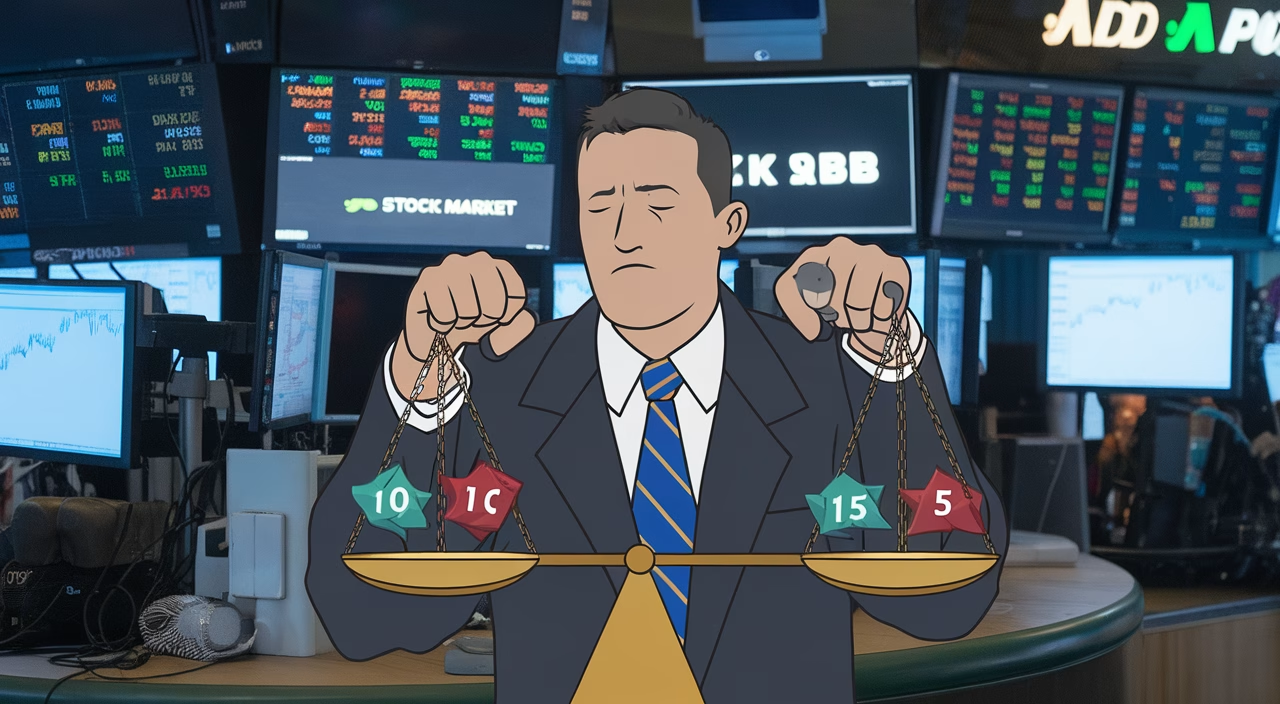
You can break free from confirmation bias with these proven strategies for better investment decisions:
- Play Devil’s Advocate: Before buying any stock, force yourself to research the strongest bearish case. If you can’t find compelling arguments against your thesis, you’re not looking hard enough.
- Set Ironclad Exit Rules: Establish stop-loss and profit-taking levels before entering positions. Remove emotion from exit decisions by automating them.
- Diversify Information Sources: Deliberately seek out analysts and publications that challenge your assumptions. Intellectual discomfort breeds better stock picking.
- Maintain a Trading Journal: Document every investment decision with detailed reasoning. Review these entries monthly to identify bias patterns in your thinking.
- Study Your Failures: Analyze losing trades ruthlessly. Most investors only celebrate wins—champions learn from defeats.
Fighting confirmation bias feels uncomfortable because you’re questioning beliefs you’ve invested time and ego into defending. That discomfort is actually productive—it’s where rational investment decisions are born.
Cost Guide: The Hidden Cost of Confirmation Bias
| Bias Level | Example Behavior | Potential Cost |
|---|---|---|
| Low-level Bias | Ignoring one bearish article | Minor portfolio inefficiencies |
| Moderate Bias | Holding losing stocks longer | 10%–30% portfolio drag annually |
| High Bias | Doubling down despite bad news | Significant capital loss (50%+) |
The Impact of Confirmation Bias on Long-Term Investing Success
Successful stock picking requires processing incomplete and often contradictory information. When confirmation bias filters your data intake, you’re essentially trading blind. This doesn’t just hurt individual trades—it compounds into systematic underperformance over time.
The most dangerous aspect of confirmation bias is how it prevents learning from mistakes. You’ll attribute losses to bad luck or market manipulation rather than flawed analysis. This creates a vicious cycle where you repeat the same errors while becoming increasingly confident in your abilities.
Professional portfolio managers combat this through investment committees designed to challenge each other’s assumptions. You can replicate this by finding an accountability partner or joining a trading group focused on constructive criticism rather than cheerleading.
Track how often you reject investment ideas after initial research. If you’re saying yes to most opportunities you analyze, confirmation bias is likely clouding your judgment. Elite traders reject far more ideas than they accept—they’re not trying to be right, they’re trying to avoid being catastrophically wrong.
Final Thoughts: Bias Is Natural—But Doesn’t Have to Be Fatal
Every trader falls victim to confirmation bias—even seasoned professionals with decades of experience. What separates successful investors from gamblers is the humility to question their own certainty and the discipline to act against their instincts when evidence demands it.
Your trading success doesn’t depend on being right about every stock pick. It depends on recognizing when you’re wrong quickly enough to preserve capital for better opportunities. Master this skill, and you’ll transform from someone who hopes the market validates their opinions into someone who profits regardless of what the market does.
Frequently Asked Questions
- What is the confirmation bias in the stock market? It’s a psychological tendency where investors favor information that supports their existing beliefs while ignoring contradictory data. This often leads to poor stock picking decisions.
- How does confirmation bias affect investment decisions? It skews your risk assessment, clouds judgment, and causes you to hold onto bad positions too long—or invest in ideas without proper scrutiny.
- What are some real-world examples of confirmation bias in stock trading? Examples include ignoring earnings warnings, doubling down on failing trades, or only following bullish analysts who support your thesis.
- Can confirmation bias be reduced or avoided? Yes. By journaling trades, seeking alternative viewpoints, using objective rules, and embracing feedback, traders can reduce the impact of confirmation bias.
- Is confirmation bias always harmful? While generally risky, in small doses it can increase confidence to act decisively. But unchecked, it clouds rational decision-making and leads to significant losses.
- Why is confirmation bias stronger with money involved? Financial decisions tie closely to identity and ego, making us resist information that threatens our sense of control or success.
- Does confirmation bias affect experts too? Absolutely. In fact, expertise can amplify it—because experts become heavily invested in their “known truths,” they may resist data that contradicts them.

