

What Happens When You Hold Stocks Through a Recession?
When you hold stocks through a recession, you’re likely to see short-term volatility—but long-term resilience. Many stocks dip during economic uncertainty, but historically, markets recover and reward patient investors. Understanding what to expect helps you avoid panic-selling and remain anchored in data-backed strategies that historically happened during market downturns.
TL;DR
- Markets fluctuate: Stock prices often drop during recessions, but rebounds are common afterward.
- History shows recovery: Past downturns reveal that the stock market typically bounces back stronger.
- Long-term gains: Holding quality stocks through a recession may yield significant growth once economic conditions improve.
- Diversification helps: A well-balanced portfolio reduces overall risk and increases stability during market volatility.
- Timing the market rarely works: Staying invested consistently tends to outperform reactionary buying and selling.
Introduction: Understanding Recessions and Stock Market Dynamics
A recession describes a sustained economic downturn, typically marked by declining GDP, rising unemployment, and contracting corporate profits. For investors wondering what happens when you hold stocks through a recession, it often sets off alarm bells. Should you sell? Should you rebalance? Or should you simply ride the wave and stay invested?
Understanding how recessions interact with the stock market is key to making informed decisions. Since the stock market is forward-looking, it often begins to fall before a recession officially starts, and begins recovering before economic data confirms growth has returned. These dynamics feel counterintuitive, but they’re vital in shaping your wealth management insights and investment strategy.
Impact of Recessions on Stock Market Performance
Recessions tend to bring about sharp declines in market indices. That’s because investor sentiment turns cautious, earnings expectations fall, and uncertainty peaks. But these declines are rarely permanent when you examine what historically happened during previous downturns.
During recessions, consumer spending contracts significantly. As demand weakens, corporate revenues decline, leading investors to adjust their valuations downward. The result? Broad-based selloffs in stocks—particularly in sectors sensitive to economic cycles like consumer discretionary, travel, and finance. Understanding this pattern is crucial when you hold stocks through a recession.
Historical Examples of Stock Market Behavior during Recessions
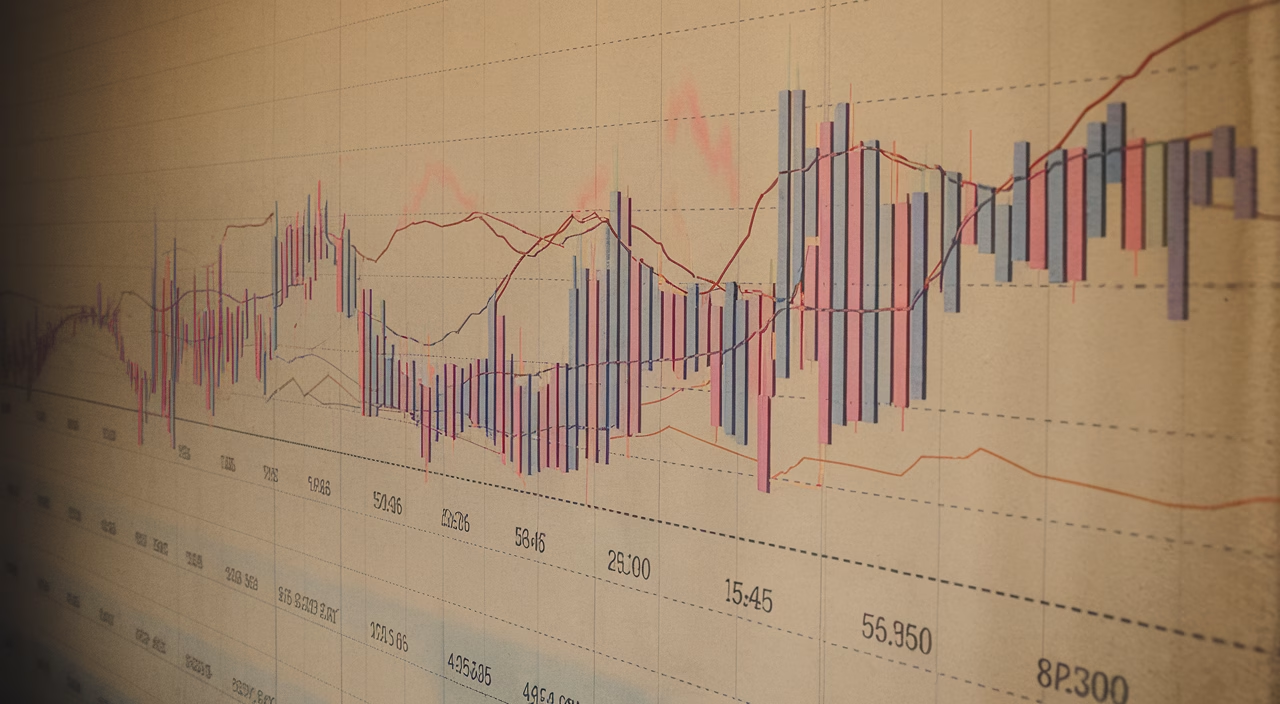
Consider the Great Recession: the S&P 500 lost more than 50% of its value from peak to trough. That was painful for investors who held stocks through the recession. But by four years post-bottom, the stock market had not only recovered but surged to new highs, rewarding those who stayed invested.
Similarly, the early dot-com crash triggered a recession, causing the NASDAQ to lose 78% from its peak. However, long-term investors who held diversified portfolios saw eventual recovery and substantial gains. This pattern of what historically happened shows the resilience of the stock market over time.
History tells us recovery is part of the cycle. What matters most isn’t avoiding every drop, but ensuring you’re well-positioned to benefit from the rebound when you hold stocks through a recession.
Benefits and Risks of Holding Stocks Through Recessions
When you hold stocks through a recession, it feels like keeping your hands on a roller coaster. There are sharp drops and sudden lurches—but if you hold tight, you ride it out. Let’s examine both sides of this equation with practical wealth management insights.
Benefits:
- Compounding returns: Staying invested allows you to benefit from the long-term power of compounding in the stock market.
- Dividend income: Quality stocks may continue paying dividends even during recessions, supporting passive income streams.
- Lower tax burden: Avoiding panic selling helps you defer capital gains and reduce tax liability when you hold stocks through a recession.
Risks:
- Prolonged drawdowns: Some sectors may take years to recover from recession impacts, affecting short-term financial needs.
- Psychological strain: Watching your portfolio decline can tempt emotional decisions that contradict sound wealth management insights.
- Liquidity mismatches: If you need to sell assets during a downturn, losses may become permanent rather than temporary.
The key takeaway? Understanding your risk tolerance, timeline, and goals is essential. Holding stocks through a recession pays off for investors who have a plan and stick to it based on what historically happened in previous market cycles.
It’s not about avoiding recessions—it’s about surviving and thriving through them. Here are actionable strategies to navigate stock market downturns without losing sleep or your long-term gains when you hold stocks through a recession.
Tips for Building a Resilient Stock Portfolio

- Diversify broadly: Allocate across sectors, geographies, and asset types to buffer sector-specific losses in the stock market.
- Prioritize quality: Focus on companies with strong balance sheets, consistent cash flow, and low debt when you hold stocks through a recession.
- Hold defensive sectors: Utilities, healthcare, and consumer staples often perform better during recessions based on what historically happened.
- Use dollar-cost averaging: Regular investments help smooth out volatility and avoid bad timing in the stock market.
- Rebalance periodically: Maintain target allocations by trimming excess gains or adding to underweight assets—a core wealth management insight.
Remember—don’t underestimate the power of patience. Selling in fear often means locking in losses, while holding quality assets gives you the chance to recover and grow when you hold stocks through a recession.
Cost Guide: Investing Strategies During Economic Downturns
| Strategy | Low-End Cost | Mid-Range Cost | High-End Cost |
|---|---|---|---|
| Buying Dividend Stocks | $1,000 | $10,000 | $50,000+ |
| Mutual Funds & ETFs | $500 | $5,000 | $25,000+ |
| Automated Portfolio Services | $100 | $1,000 | $10,000+ |
Conclusion: Making Informed Decisions as an Investor
Understanding what happens when you hold stocks through a recession isn’t just about enduring losses—it’s about positioning yourself for long-term success. Staying the course requires discipline, planning, and perspective. Remember: the stock market operates in cycles, not linear patterns. What feels like a downturn today often lays the groundwork for tomorrow’s gains based on what historically happened.
Don’t let headlines drive your decisions. Instead, lean on history, diversify your holdings, and seek wealth management insights that fit your personal goals and time horizon. Successful investing isn’t about timing the bottom—it’s about time in the stock market when you hold stocks through a recession.
Frequently Asked Questions
- Should you hold stocks in a recession?
Yes. While short-term turbulence is likely, holding quality stocks through a recession has historically led to long-term growth based on what historically happened in previous downturns. - What are the best stocks to buy in a recession?
Defensive sectors like utilities, consumer staples, and healthcare often hold up better. Look for financially strong companies with consistent earnings when you hold stocks through a recession. - How do you protect your portfolio during economic downturns?
Diversify across asset classes, rebalance regularly, and focus on low-volatility, high-quality investments. These wealth management insights help preserve capital in the stock market. - Is cash a better investment during a recession?
Cash offers liquidity and safety but low returns. Use it strategically, not as your entire portfolio strategy when navigating what happens when you hold stocks through a recession. - Should I sell my stocks to avoid losses?
Reacting emotionally often leads to selling low and missing the rebound. Have a plan and stick with it unless your goals have changed, based on wealth management insights. - What historically happened to the stock market after a recession?
Markets often rebound strongly post-recession, fueled by increased investor confidence and economic recovery. This pattern shows the benefits of holding stocks through a recession. - What are long-term effects of holding stocks through a downturn?
Generally, long-term investors who stay invested during downturns outperform those who try to time exits and entries in the stock market.

