

What is the smartest way to invest in precious metals as a beginner?
For most beginners learning how to invest in precious metals, the smartest approach is diversifying across both physical assets (like bullion coins or bars) and paper alternatives (such as ETFs or mutual funds) while starting small to minimize risk and gain hands-on experience with how precious metal investments complement your broader portfolio strategy.
TL;DR: Your Quick-Start Guide to Precious Metal Investing
- Best Way to Start: Consider a mix of physical bullion (coins, bars, rounds) and low-cost ETFs for simple, cost-effective exposure to precious metal investments.
- Strategic Portfolio Benefits: Precious metals provide portfolio diversification and inflation hedging, but should represent only a small portion of your total strategic investments.
- Investment Types: Choose from bullion (coins, bars, rounds, ingots), mining company stocks, mutual funds, and ETFs, each offering different risk and return profiles.
- Key Investment Strategies: Start gradually, stay educated about market trends, compare costs, and factor in storage, insurance, and transaction fees.
- Cost Considerations: Expect premiums above spot prices for physical metals; ETFs and funds charge ongoing management fees.
- Beginner-Friendly Options: Well-known bullion coins and established ETFs offer accessible entry points for new precious metal investments.
- Strategic Approach: No single investment method fits everyone. Begin with options that match your budget and goals, then expand your knowledge systematically.
Understanding Different Forms of Precious Metal Investments
When you think about how to invest in precious metals, you might picture treasure chests filled with gold coins – but today’s precious metal investments offer far more variety and accessibility. Understanding these different investment forms is crucial for making strategic investment decisions that align with your financial goals.
Physical Bullion: Coins, Rounds, Bars, and Ingots

Physical bullion represents the most direct way to invest in precious metals, offering tangible ownership of gold, silver, platinum, or palladium. Here’s how each form works for your precious metal investments:
- Bullion Coins: Government-issued and guaranteed for weight and purity, these coins often carry both metal value and collectible premium. Popular options provide excellent liquidity for your precious metal investments.
- Rounds: Similar to coins but without legal tender status, rounds offer pure exposure to metal prices with lower premiums. They’re ideal for investors focused solely on metal content in their strategic investments.
- Bars: Available in various weights, bars typically offer the lowest premiums per ounce, making them cost-effective for larger precious metal investments focused on bulk accumulation.
- Ingots: Large cast bars primarily used by institutional investors due to their size and value. Generally impractical for most individual precious metal investments.
Physical bullion provides the psychological security of tangible ownership – you can literally hold your investment. However, successful precious metal investments in physical form require careful consideration of secure storage and adequate insurance coverage.
Mining Company Stocks and Precious Metal Mutual Funds
Investing in companies that extract precious metals offers leveraged exposure to metal prices while adding business-specific risks. Mining company stocks amplify price movements in the underlying metals but expose you to operational challenges, management decisions, and production costs.
Precious metal mutual funds pool investor capital into professionally managed portfolios of mining stocks, providing built-in diversification across multiple companies and metals. This approach to precious metal investments reduces single-company risk while offering professional management, though you’ll pay annual fees for this service. Mining-focused investments often exhibit higher volatility than physical metals, moving more dramatically during both bull and bear markets.
Precious Metal Exchange-Traded Funds (ETFs)
ETFs represent one of the most accessible ways to invest in precious metals, combining the liquidity of stocks with exposure to metal prices. These funds trade on major exchanges and offer several approaches to precious metal investments.
ETF Advantages for Precious Metal Investments:
- Instant liquidity through standard brokerage accounts
- No physical storage or insurance requirements
- Options for single metals or diversified exposure across multiple precious metals
- Lower minimum investment compared to physical bullion
ETF Considerations:
- Annual expense ratios reduce returns over time
- No physical redemption rights for most retail investors
- Market volatility can create tracking differences
For beginners exploring how to invest in precious metals, ETFs offer an excellent way to gain exposure while learning about market dynamics without the complexities of physical ownership.
Strategic Investment Approaches for Precious Metals
Successful precious metal investments require more than simply choosing between gold and silver. Your strategic investment approach should encompass diversification, timing, and comprehensive risk management tailored to your financial objectives.
Portfolio Diversification Through Precious Metal Investments
Precious metals earn their reputation as portfolio stabilizers because they often move independently of traditional financial assets. When stock and bond markets experience turbulence, precious metal investments frequently provide stability and value preservation.
Effective diversification through precious metal investments doesn’t mean abandoning other assets – instead, consider allocating five to ten percent of your total portfolio to metals. This allocation provides hedging benefits without overexposure to commodity price swings, allowing your strategic investments to work together harmoniously.
Risk Management in Precious Metal Investments
Every investment category carries specific risks, and precious metal investments present unique considerations. While metals hedge against inflation and currency devaluation, they don’t generate income and can experience significant price volatility.
Many beginners make the mistake of rushing into precious metal investments during price rallies, investing too much too quickly. When prices inevitably correct, these concentrated positions become sources of stress rather than portfolio stability. Instead, implement dollar-cost averaging – spreading purchases over several months while learning market dynamics and refining your strategic investment approach.
Consider these risk factors specific to different precious metal investments:
- Physical Bullion: Theft, damage, storage costs, and liquidity challenges
- Mining Stocks and Funds: Company-specific risks, market volatility, and management fees
- ETFs: Tracking errors, expense ratios, and counterparty risks
Liquidity planning is essential: physical precious metal investments may take days to sell, while ETFs and mining stocks offer immediate liquidity during market hours.
Cost Guide: Precious Metal Investment Price Ranges
| Investment Type | Low-End | Mid-Range | High-End |
|---|---|---|---|
| Bullion Coins (per oz) | $40–$60 (silver), $2,000–$2,200 (gold) | $60–$100 (silver), $2,200–$2,400 (gold) | $100+ (special editions), $2,400+ (collectible gold) |
| Bullion Rounds | $30–$50 (silver) | $50–$75 (silver, better mint) | $75+ (low mintage) |
| Bars & Ingots (per oz) | $35–$45 (silver) | $45–$70 (silver, premium brand) | $100+ (custom bars) |
| Mining Company Stocks/Mutual Funds | $10–$100/share or fund unit | $100–$300/share or unit | $300+ (large funds or blue chips) |
| ETFs (per share) | $20–$50 | $50–$200 | $200+ (premium funds) |
Remember: Physical precious metal investments require additional costs for storage and insurance. Funds and ETFs charge annual expense ratios typically ranging from 0.3% to 1%, but eliminate physical holding expenses.
Best Precious Metal Investments for Beginners
Choosing your first precious metal investments depends on your financial goals, risk tolerance, and preferred level of involvement. The key is starting with accessible options that provide genuine learning opportunities while building your confidence.
Top Entry-Level Precious Metal Investments
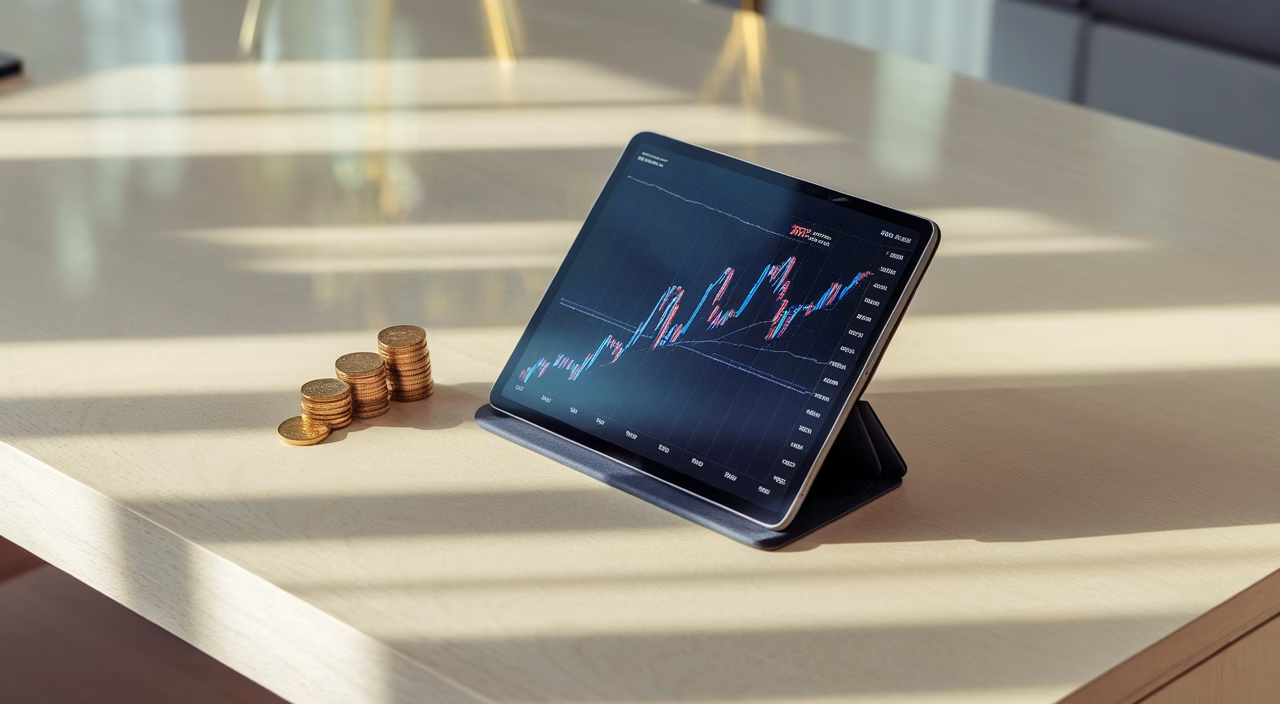
For investors new to precious metals, simplicity and liquidity should guide your initial choices. Here are the most beginner-friendly precious metal investments:
- Recognized Bullion Coins: Government-minted coins offer authenticity, liquidity, and moderate premiums. They’re perfect for investors who want tangible precious metal investments with strong resale markets.
- Established ETFs: Provide instant access to gold, silver, platinum, and diversified metal baskets with minimal investment requirements and zero storage concerns. Ideal for learning market dynamics.
- Precious Metal Mutual Funds: Offer professional management and diversification across mining companies and metals, suitable for hands-off investors seeking strategic exposure.
Most successful beginners start with a combination approach: purchasing a small quantity of physical coins to understand ownership dynamics while simultaneously investing in reputable ETFs or funds. This strategy limits risk while building comprehensive knowledge about different precious metal investments.
Advanced Precious Metal Investment Options
As your knowledge and confidence grow, you might explore more sophisticated precious metal investments including larger bullion positions, direct mining company stock purchases, or specialized ETFs focusing on specific metals or market segments. These advanced options require deeper market understanding but may offer enhanced returns or unique diversification benefits for your strategic investments.
Conclusion
Learning how to invest in precious metals successfully requires understanding your options, implementing sound strategies, and maintaining realistic expectations. Whether you choose physical bullion, mining company stocks, ETFs, or mutual funds, your precious metal investments should complement your broader portfolio through strategic diversification and risk management.
Remember that successful precious metal investments aren’t about finding the perfect option – they’re about selecting approaches that align with your financial goals, risk tolerance, and investment timeline. Start with beginner-friendly options, educate yourself continuously, and gradually expand your strategic investments as your knowledge and confidence develop. With patience and proper planning, precious metal investments can provide valuable portfolio diversification and long-term wealth preservation.
Frequently Asked Questions
- What is the best way to invest in precious metals?
Starting with a mix of physical bullion (coins or bars) and ETFs is recommended for beginners. This approach balances tangible security with ease of trading. - How much of my portfolio should I allocate to precious metals?
Most experts advise 5–10% of your total investment portfolio, adjusted for your risk tolerance and investment goals. - Is it safer to buy coins or bars?
Coins tend to be more liquid and recognizable, while bars are often cheaper per ounce. Both require secure storage and insurance. - Do I need to store physical bullion at home?
No. Many investors choose secure vaults (depositories) or bank-safe deposit boxes for offsite storage. Some also use third-party storage solutions specialized for metals. - Are mining company stocks riskier than bullion?
Generally, yes. Mining stocks can be volatile and affected by company-specific factors, while bullion purely reflects metal prices. - What makes ETFs different from mutual funds in precious metals?
ETFs trade like stocks, allowing quick buying and selling, while mutual funds only transact at end-of-day prices. Mutual funds are more actively managed and may have higher fees. - How do I sell my precious metals when I’m ready?
Bullion can be sold through dealers, marketplaces, or exchanges. ETFs and mining stocks can be sold instantly via your brokerage account for cash.

