

Why do most people invest in wrong asset classes?
Most people invest in wrong asset classes because they chase market trends, misunderstand their risk tolerance, or lack a strategic approach to asset selection. These investors often focus on short-term gains rather than long-term growth, leading them to wrong asset types that don’t align with their financial goals. Understanding why people make these investment mistakes helps you choose better asset classes for your portfolio.
TL;DR
- Asset classes are investment categories like stocks, bonds, real estate, and cash that behave differently in market conditions.
- People invest in wrong asset classes by following trends, ignoring fees, and failing to diversify properly.
- Common mistakes include emotional investing, overlooking investment costs, and not matching asset types to personal goals.
- The right asset mix balances your investment objectives with risk tolerance and time horizon.
- Diversification across multiple asset classes reduces risk and can boost returns over time.
- Actions: Define your goals, research asset types, consider professional guidance, and avoid concentrating in single asset classes.
Introduction – Understanding Why Investors Choose Wrong Asset Classes
Imagine a chef preparing a world-class meal. Each ingredient plays a unique role: some add flavor, others provide substance, and a few act as the glue holding the whole dish together. In investing, asset classes are your ingredients—think of them as broad categories like stocks, bonds, real estate, and cash, each with distinct behaviors and purposes within your financial recipe.
But here’s the reality: most people invest in wrong asset classes because they misunderstand what each brings to the table—or fail to mix them properly. Perhaps you’ve chased hot stock tips or stuck all your money in cash because it seemed safe. Maybe you’ve overlooked opportunities in real estate or ignored bonds because they sound boring.
This pattern is more common than you might think. We see investors get swept up by market hype, or paralyzed by fear during downturns, resulting in asset choices that don’t match their true needs. The good news? With clear understanding of why people invest in wrong asset classes and some self-awareness, anyone can build a more resilient, rewarding investment strategy.
Common Mistakes in Asset Class Selection
Most investors fall into these traps when choosing asset classes:
- Following the crowd: Many jump into trending asset types—be it tech stocks, cryptocurrency, or real estate—without assessing if these asset classes truly fit their goals.
- Underestimating risk: New investors often focus only on potential returns, forgetting that every asset class comes with unique risks, like market volatility or changing exchange rates.
- Ignoring high fees: Expensive investment costs can eat up profits, especially in managed funds or alternative asset classes. What seems like small annual fees compounds to huge drags over decades.
- Not diversifying: Betting too heavily on single asset classes exposes you to large losses if that market turns against you.
- Choosing inaccessible investments: Some asset types are just not practical for average investors, due to high minimums, complex rules, or limited liquidity.
Here’s what typically happens: You hear about someone who made quick gains in trendy asset classes, get excited and jump in, but end up facing losses or finding your money tied up when you need it most. Sound familiar?
To avoid investing in wrong asset classes, you should step back and ask:
- Do these asset classes align with my risk comfort?
- Can I easily access my money from these investment types?
- What fees and taxes am I paying?
- Do these asset classes fit with my time horizon?
Investing is personal. When you match asset classes to your unique situation, you build a much stronger foundation for your financial future.
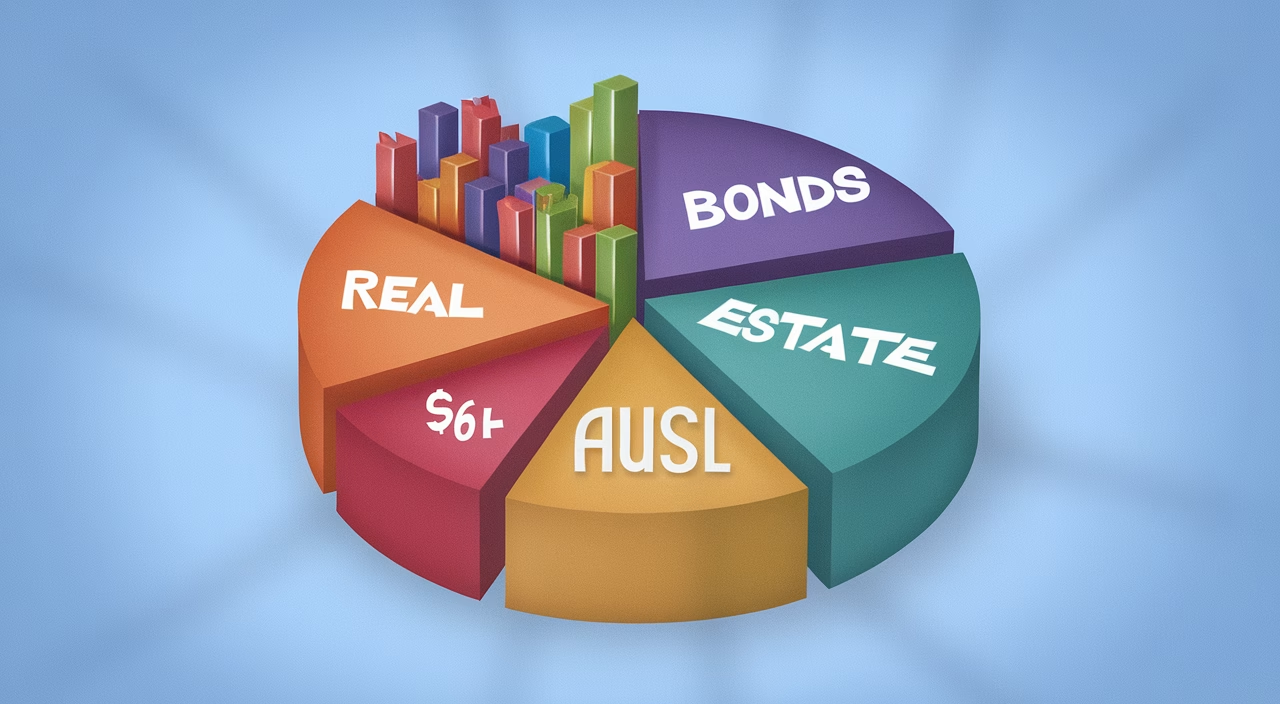
Benefits of Diversifying Across Asset Classes – Strategies for Maximizing Returns
Diversification might sound like financial jargon, but think of it this way: if you were carrying eggs, would you put them all in one basket? By spreading your investments across multiple asset classes, you protect yourself if one market stumbles while maximizing your potential for returns.
- Lower volatility: When one asset class underperforms, another may hold steady or rise—smoothing out returns over time and reducing the impact of wrong asset choices.
- Increased opportunities: Different asset types thrive under different conditions. Bonds might shine when stocks sink, or real estate can provide steady income when equities stall.
- Risk management: Effective diversification means you’re less likely to suffer catastrophic losses from concentrating in wrong asset classes or making single bad investment bets.
For example, a well-diversified portfolio might include a mix of large-company stocks, government bonds, international funds, and real assets. During stock market downturns, your bonds or real estate investments may act as shock absorbers.
Case Study: During major global market downturns, investors who diversified across multiple asset classes saw smaller losses and recovered more quickly than those who concentrated in only single asset types. Over decades, diversification not only lowers downside risk from wrong asset selection, but usually results in higher total returns.
Strategy Tips:
- Regularly review your asset class mix to ensure you haven’t drifted into wrong allocations.
- Don’t ignore “boring” asset classes like bonds—they can be valuable during volatile market periods.
- Rebalance annually, or after big market moves, to maintain your desired asset class allocation.
How to Choose the Right Asset Classes for Investment
So, how do you actually pick the best asset classes and avoid investing in wrong types for your needs? Start with these key steps:
- Assess your goals: Are you aiming for long-term growth? Steady income? Capital preservation?
- Evaluate your risk tolerance: How much market volatility can you handle emotionally and financially?
- Consider your timeline: Shorter time horizons may favor more stable asset classes; for long-term goals, growth asset types like stocks make sense.
- Understand the main asset types:
- Equities (Stocks): High potential returns but higher risk and short-term volatility.
- Bonds: Lower risk and steady income but typically lower returns over time.
- Real Estate: Tangible asset class with potential for both growth and income, but less liquid and can require larger upfront investments.
- Cash/Short-term: Safe but low returns, useful for liquidity or emergencies.
- Alternative Assets: Includes commodities, private equity, or collectibles. Higher risks, less accessible, but can add unique advantages.
Here’s a simple guide to help you avoid wrong asset class selections:
| Asset Class | Risk Level | Return Potential | Liquidity | Accessibility |
|---|---|---|---|---|
| Stocks | High | High | High | Easy |
| Bonds | Low-Medium | Low-Medium | High | Easy |
| Real Estate | Medium | Medium-High | Low | Moderate |
| Cash | Very Low | Very Low | Very High | Easy |
| Alternatives | High | Varies | Low | Difficult |
As you build your allocation, remember: no single asset class is perfect, but together, they can help you weather any market cycle while avoiding the trap of wrong asset concentration. Try starting with core asset types that match your goals, then add smaller amounts of non-correlated classes for more balance and opportunity.
Cost Guide: What Should You Expect to Pay?
Every asset class comes with its own fee structure and accessibility requirements. Understanding typical costs helps you avoid expensive wrong asset choices and maximize what you keep. Here’s a breakdown:
| Asset Class | Low-End Costs | Mid-Range Costs | High-End Costs |
|---|---|---|---|
| Stocks (ETFs/Index Funds) | 0.03% annually | 0.20% annually | 2%+ actively managed |
| Bonds | 0.05% annually | 0.20% annually | 2%+ managed funds |
| Real Estate (Direct) | 1% yearly fees | 2-4% transaction fees | 6%+ (agent, closing, fund) |
| Cash/Savings | No fees | No fees | No fees |
| Alternatives | 1% entry | 2% annual | 5% or more |
Watch for hidden layers like advisory fees, trading commissions, and account minimums that can make seemingly attractive asset classes turn into wrong investment choices. Over time, small percentage points can add up to thousands lost. Always compare costs across different asset types and providers before investing.

Tips for Strategic Asset Allocation
Strategic asset allocation is your blueprint for avoiding wrong investment decisions and building wealth systematically. It’s not about chasing performance, but about thoughtfully distributing resources across asset classes to balance growth and safety. Here’s how to put theory into action:
- Set a target mix: Determine the percentage of each asset class you want based on your goals and risk tolerance. A classic split is 60% stocks, 40% bonds, but this should shift as you age or your situation changes.
- Automate rebalancing: Use automatic tools or set calendar reminders to restore your target asset class allocation at least annually, preventing drift into wrong concentrations.
- Review life changes: Major events (job change, marriage, kids, retirement goals) should trigger an asset class portfolio checkup.
- Minimize costs: Favor low-cost index funds or ETFs with minimal expense ratios when possible to avoid expensive wrong asset choices.
- Embrace simplicity: You don’t need dozens of asset types or complicated strategies. Start simple and expand your asset class knowledge gradually.
As you gain confidence, you might fine-tune your allocations, gradually introducing new asset classes to strengthen diversification while avoiding common wrong investment patterns. If you’re unsure, consider consulting a financial advisor who can help build a personalized asset class strategy—and remember, patience matters far more than perfect market timing.
Conclusion – Ensuring Long-Term Growth with Proper Asset Class Selection
Most investors find themselves in wrong asset classes due to simple missteps or lack of strategy—but it doesn’t have to be this way. By understanding why people invest in unsuitable asset types, carefully diversifying your portfolio across multiple asset classes, and sticking to a strategic plan, you put yourself on the path towards maximizing returns and minimizing regret. Remember, smart investing is less about picking winning asset classes and more about building a structure that weathers all kinds of financial weather.
No single approach fits everyone. Your ideal asset class mix will evolve with your life and goals. What matters most is that you remain intentional about your asset type selections, stay curious, and adapt when needed. With knowledge as your compass, you’ll avoid the trap of wrong asset classes and steadily move towards your financial future.
Frequently Asked Questions – Why invest in different asset classes?
- What are the main asset classes?
Stocks, bonds, real estate, cash/cash equivalents, and alternatives (like commodities or private equity) are the main categories. Each performs differently depending on the market and economic cycle. - How many asset classes should I hold in my portfolio?
There’s no magic number, but holding at least three major asset classes provides a good balance of growth and safety for most investors. - Can I lose money by investing in the wrong asset class?
Yes. Choosing asset classes without understanding their risks or failing to diversify can result in losses or missed growth opportunities. - How often should I review my asset allocation?
At least once a year, or whenever your financial goals or life circumstances change. - What’s the best way to get started with diversification?
Consider starting with a simple mix of broad index funds covering stocks and bonds, then expand as you learn more. - Are some asset classes harder for beginners to access?
Yes. Alternatives like private equity or direct real estate typically require higher minimums or specialized knowledge. Stocks, bonds, and cash are easy entry points. - What role do fees play in asset class performance?
Higher fees can significantly reduce your net returns. Stick to low-cost index funds and always compare costs before investing.

