

How can a beginner invest in clean energy without falling into a bubble?
The best way for beginners to invest in clean energy without getting caught in a speculative bubble is by understanding the different sustainable investing options, diversifying among renewable energy assets, and carefully evaluating risks before committing capital. You should develop a clear strategy that matches your financial goals, invest gradually, and favor approaches like ETFs or blue-chip green stocks to protect against volatility. Always stay aware of market exuberance by analyzing fundamentals, not just trends.
TL;DR: Clean Energy Investment Insights for Beginners
- Clean energy investment offers compelling long-term growth and environmental benefits, but comes with unique risks.
- Whether you’re considering investing in solar energy for beginners or exploring wind, diversification is your friend.
- ETFs and established green stocks help manage bubble risks; avoid overhyped, speculative opportunities.
- Understand fundamental value—don’t just chase momentum or headlines in the renewable energy space.
- Balancing excitement with due diligence is crucial for sustainable investing success.
Introduction to Clean Energy Investment
Let’s face it: the landscape of investing is shifting rapidly, and the allure of clean energy investment is hard to ignore. If you’ve ever gazed at a row of sleek solar panels or spinning wind turbines and wondered how your money could ride that green revolution, you’re not alone. Sustainable investing—once a niche field—is now entering mainstream portfolios, fueled by growing climate awareness, regulatory support, and major technological leaps.
But where does an everyday investor start? With flashy headlines touting massive growth in renewable energy investing and green stocks, it’s tempting to dive right in. Yet, beneath the surface, market bubbles can form—periods where excitement overtakes underlying value, sending prices sky-high before reality sets in. We see it time and again: beginners rush toward what’s hot, only to get burned when the frenzy fades.
Here’s the good news: you don’t have to make those rookie mistakes. The key is understanding the many ways to invest in alternative energy, assessing both big-picture trends and fine-print risks, and approaching the sector with the same wisdom you’d bring to any other part of your portfolio. In this guide, we’ll show you how to confidently join the green wave—without wiping out when the tide turns.
Benefits of Sustainable Investing
Why invest in clean energy in the first place? Beyond the warm glow of doing good, sustainable investing offers unique advantages for both your conscience and your long-term returns. Here’s why more investors are turning to renewable energy investing:
- Long-Term Growth Potential: As nations commit to tackling climate change, the demand for renewable energy surges. This isn’t just a trend—it’s a fundamental shift in how societies power homes, industries, and mobility.
- Diversification: Clean energy assets often perform differently from traditional sectors like oil and gas, adding useful diversity to your investment mix.
- Regulatory Tailwinds: Policies, subsidies, and incentives favor green technologies, offering a helpful boost—especially in regions prioritizing decarbonization.
- Innovation and Corporate Leadership: Companies leading the alternative energy transformation are often at the forefront of technological innovation and operational efficiency.
- Positive Impact: Investing in clean energy supports global sustainability efforts, offering tangible environmental benefits alongside financial ones.
In practice, what this means for you is a chance to be at the crossroads of profit and purpose. But as with every fast-growing sector, there are pitfalls, too—making it essential to invest with both your head and your heart.

Types of Clean Energy Investments
Navigating the world of clean energy investment might feel overwhelming at first, but the choices break down into a few main lanes—each with its own opportunities and risk profiles. Let’s explore how to invest in clean energy without bubbles forming in your portfolio:
Solar and Wind Product Manufacturers
Think of companies that design, manufacture, or install solar panels, wind turbines, and related infrastructure. These players benefit from direct increases in renewable energy adoption. For beginners interested in investing in solar energy for beginners, this segment may seem attractive thanks to compelling growth stories and media attention.
However, remember: not every company that makes solar or wind products is a sure bet. Look for those with proven financials, robust backlogs, and flexible supply chains. For example, during global supply chain crunches, well-managed firms outperformed smaller, less-established rivals. In practice, steady, diversified manufacturers often weather downturns better than high-flying niche startups.
YieldCos and High Dividend Stocks
YieldCos are unique structures designed to own and operate green energy projects—often solar or wind farms—that generate steady cash flow. Unlike pure technology companies, YieldCos focus on operating assets, not new development. Their revenue largely comes from long-term power purchase agreements (PPAs), which offer stability even when market sentiment gets frothy.
For income-focused investors, these vehicles can be attractive, combining predictable dividends with clean energy alignment. Be sure to evaluate their exposure to interest rate changes and debt levels—as high leverage can become a vulnerability if market conditions change.
Exchange-Traded Funds (ETFs)
ETFs bundle dozens (sometimes hundreds) of green stocks and alternative energy assets into a single, tradable fund. For beginners wondering how to invest in clean energy without bubbles affecting their returns, this is often the smartest approach, since ETFs spread risk across many players—helping you avoid overconcentration in an overheated stock.
For example, top clean energy ETFs might include a blend of solar, wind, battery storage, and even clean tech companies, offering true diversification. In our experience, investors new to sustainable investing options benefit from choosing broad, low-fee ETFs that rebalance regularly. These provide smoother returns and less exposure to sudden hype cycles or speculative manias.
Mining Companies in the Green Industry
Not every sustainable investing opportunity is directly in power production—many support the supply chains behind the clean energy boom. Mining companies providing lithium, cobalt, or rare earth metals are indispensable to battery and EV expansion. While investing here taps into “picks and shovels” economics, the sector is notoriously cyclical and subject to commodity price swings.
If you pursue this route, do thorough due diligence: examine a company’s cost structure, environmental stewardship, and geopolitical risks, since responsible sourcing is an increasing focus for green-conscious investors and regulatory bodies alike.
Risks and Challenges in Green Investing
Every investment has risks, but clean energy is especially vulnerable to a few unique challenges. For beginners learning how to invest in clean energy without bubbles derailing their strategy, being aware of these pitfalls is essential:
- Market Bubbles and Overvaluation: It’s tempting to chase soaring returns, but prices can disconnect from reality. Remember the dot-com boom? Similar dynamics can play out with green stocks when momentum, not fundamentals, drives investing decisions.
- Policy Shifts or Cuts: Clean energy depends heavily on government support via subsidies and tax incentives. Policy reversals or new regulations can send shockwaves through prices.
- Technological Disruption: Today’s leaders can be dethroned by tomorrow’s innovations. For example, rapid improvements in solar efficiency or battery chemistry can undermine established business models.
- Execution and Supply Chain Issues: Even with strong demand, mismanagement, delays, or component shortages can impact company performance—especially for manufacturers.
- Commodity Fluctuations: Mining and materials stocks are prone to sudden price swings, which can ripple through clean energy supply chains.
In practice, seasoned investors in renewable energy investing always ask hard questions during a “green gold rush”: What happens if subsidies are cut? Are cash flows as solid as they look? Is management experienced? Answering these protects you from both headline euphoria and hidden risks. Your safest bet is to diversify among sustainable investing options, avoid putting all your eggs in one green basket, and keep a close eye on core business metrics, not just sector buzz.
Cost Guide: What Does Investing in Clean Energy Typically Cost?
Let’s break down the usual costs and required minimums to start clean energy investing:
| Investment Type | Low-End Entry | Mid-Range | High-End |
|---|---|---|---|
| Solar/Wind Stocks | $50–$100 | $500–$2,500 | $10,000+ |
| Clean Energy ETFs | $100 | $1,000 | $25,000+ |
| YieldCos | $200 | $1,500 | $20,000+ |
| Mining Stocks | $50–$150 | $500–$2,000 | $15,000+ |
Remember, many brokerages offer fractional shares or low minimums, so you can start small and scale up as you build confidence and knowledge in clean energy investment strategies.
Growing Trends in Clean Energy Investment
The green economy is not just about windmills on distant hills or solar grids shimmering in the desert—it’s about how the entire industrial system is starting to pivot. Here are some current and emerging trends driving renewable energy investing:
- Decentralized Generation: Community-owned solar and “microgrid” networks put power closer to end-users, broadening investment opportunities beyond utility-scale projects.
- Energy Storage Boom: Battery and storage tech is essential for integrating renewables; as technology matures and costs drop, expect more avenues for smart investing in alternative energy.
- Green Bonds and Climate Funds: Fixed-income investments backing sustainable infrastructure are attracting new cohorts of conservative investors seeking lower volatility.
- Policy Momentum Worldwide: Significant government support and new emission targets mean continued tailwinds for clean energy growth—though regional differences matter.
- Digitalization and “Smart” Technologies: AI-powered grids, IoT-based management, and big data are transforming operational efficiency and opening new doors for investment.
Here’s what often happens: a few headline trends become “hot” and draw waves of capital, creating bursts of overvaluation. You want to be early—but not too early, and certainly not late to a party that’s already overheating. Staying informed, reading sector reports, and using diversified products like ETFs helps you strike that balance when learning how to invest in clean energy without bubbles affecting your returns.
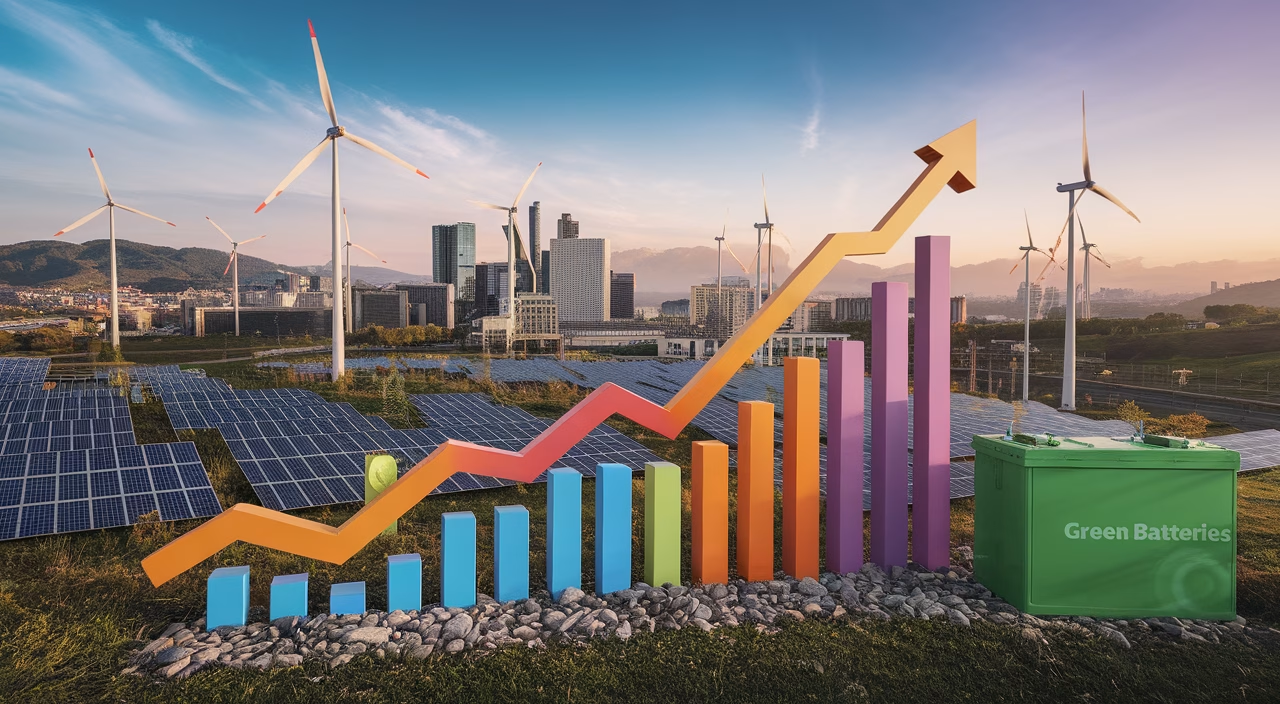
Where to Invest Before the Bubble Bursts? (Final Thoughts and FAQ)
Clean energy investment offers a rare blend of purpose and profit, but requires real insight to avoid bubbles and false starts. Approach the sector with discipline, diversify sensibly among renewable energy assets, and trust fundamentals over fads. If you’re just starting out with investing in solar energy for beginners or exploring sustainable investing options, consider anchoring your portfolio in broad, low-fee ETFs and established, dividend-paying names—then selectively add exposure to growth segments as your skills and knowledge grow.
Remember: Every “green rush” has moments where excitement runs ahead of economic reality. By focusing on the basics—business strength, policy support, and long-term trends—you can invest with confidence, sidestep bubbles, and truly make your money work for both your future and the planet’s.
Frequently Asked Questions
- What’s the safest way to start investing in clean energy as a beginner?
Start with clean energy ETFs or broadly diversified funds, which spread risk across many companies. These can be bought in small increments and don’t require you to pick individual winners or time the market. - How can I tell if a green stock is overvalued or in a bubble?
Compare price-to-earnings (P/E) ratios, revenue growth, and cash flow to industry averages. If a company’s valuation far outpaces its earnings or future prospects, it’s probably overheated. - Are mining companies in the clean energy supply chain a good opportunity?
They can provide exposure to battery and EV growth, but are riskier and subject to commodity price swings and environmental challenges. Due diligence is a must. - What are YieldCos, and are they suitable for long-term investing?
YieldCos operate clean energy projects and pay dividends from stable contracts. They suit income-seeking, conservative investors, but watch for interest rate and debt risks. - Is now the time to invest, or should I wait for a correction?
No one can perfectly time markets. Consider dollar-cost averaging and prioritize quality and diversification to minimize timing risks. - Can I start investing in solar or wind energy with a small amount?
Yes, many brokerages allow purchase of fractional shares or low-minimum ETFs—ideal for beginners with modest starting capital. - How do I stay up to date with green investing trends and risks?
Follow industry news, subscribe to reputable market research, and review ETF or fund holdings regularly. Adjust your approach as the sector evolves.

